Clarity Insights - HFSS: An Interim Report
- Articles
Our previous report on the Government’s HFSS regulations, which have now come into force, highlighted the opportunities and challenges for both supermarkets and suppliers. This seems like a good time to assess how both parties have reacted to the new laws, whether innovative store layouts have sprung up and how much is still to be done.
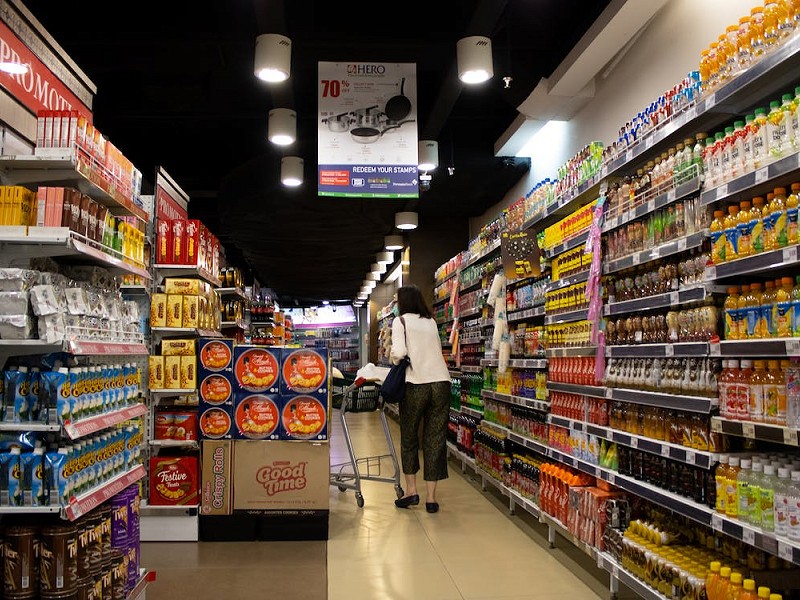
Walking around a range of stores, it is clear that grocers have not yet fully embraced the October regulations or found innovative ways to capitalise on the new format requirements. In many cases, gondola ends have just been removed and replaced with posters promoting either brand competitions or the supermarket’s own price-matching offers. Alcohol seems to have been the easy option to fill the space vacated by HFSS items, even by the tills, which does not necessarily seem like the outcome that the government would have been looking for. New, mixed displays of cereals, confectionery and crisps have sprung up around the corner from the gondola ends, complying with the letter of the law, if not the spirit. Non-compliant pizzas are prominently displayed in the gondola ends themselves as part of the Meal Deals that are exempt from the regulations.
The government has postponed the ban on HFSS multibuy promotions until next October, but many supermarkets are already starting to move away from the multibuy mechanism and focusing more on standard price-cuts and EDLP approaches. One of the exceptions seems to be cereals, a category where there has been significant reformulation, but categories like confectionery, ice-cream and biscuits are seeing widespread multibuy reduction. It is too soon to assess the financial impact to grocers and suppliers from losing these category multibuys in key store locations – they have long been vital revenue sources as well as opportunities to showcase more varied and exciting promotions.
There is also not yet evidence of smaller, high-quality brands gaining more prominence in-store under the new laws and this likely demonstrates that the FMCG giants have done a strong job in developing new, compliant products and revamping existing ranges. It will be interesting to see whether the shopper embraces the new products and commits to repeat purchases, or whether they shop the store more thoroughly and revert to ‘tastier’, non-compliant products. It feels like there has been a rush to comply by the supermarkets in the last few months, certainly in terms of store layouts. The previously mooted possibility of more innovative (for example, digitally-enhanced) point-of-sale in the aisle has been slow to materialise. Maybe, given the political turmoil over the last year, supermarkets and suppliers thought there was a chance of another delay in the introduction of the regulations, or even a full scrapping of the proposals. At the moment, the format solutions seems a little ‘cobbled-together’ and disjointed, so we look forward to a more holistic approach developing that gives shoppers the retail theatre that they increasingly desire.