The Resurgence of Physical Retail
- Articles
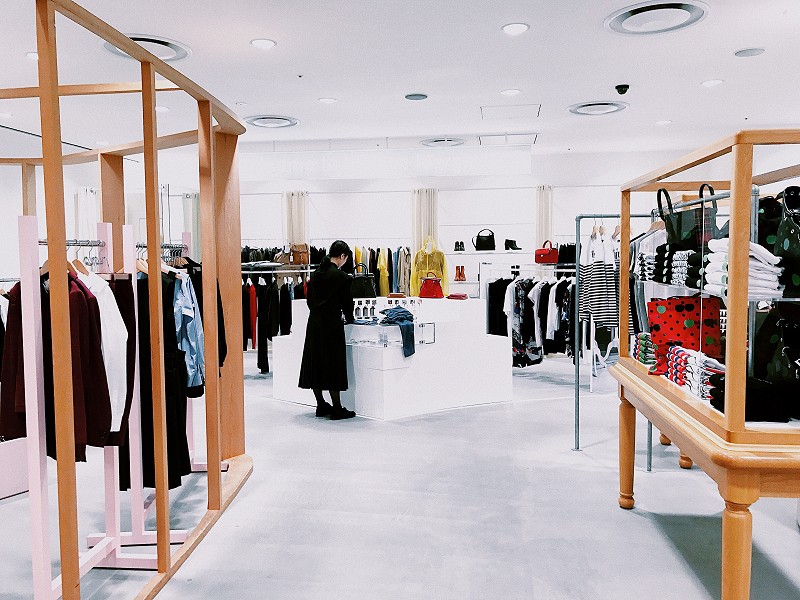
The acceleration of ecommerce has had its fair share of headlines over the past few years and espite the viability of some DTC models being called into question recently, the ease and convenience of online shopping is here to stay. But we are seeing a renewed push behind physical retail and competitive advantage being achieved through store investment.
Since opening in October 2022, Battersea Power Station has recorded a footfall of five million. The shopping centre has welcomed a huge number of businesses with more brands set to open shop over the coming months. Yes, it is a London landmark, yes the opening has been supported by special events and yes there has undoubtedly been intrigue around how the Grade II listed building would be developed. But its success shows that the physical retail store is by no means ‘dead’. When the proposition is right, people will come.
There are the obvious benefits of seeing, touching, and experiencing products first hand in stores. But in addition, consumers increasingly seek personalised experiences that can’t be replicated online. Retailers have responded by creating immersive, experiential environments that offer unique ways for customers to interact with their brand and we have seen some first class examples come to market. Gymshark’s flagship store on Regent Street is a showcase for the brand. The store displays a wide selection of products, but also offers in-store classes and fitness events. A weekly running club and areas of the store dedicated to different types of exercise, sit alongside Joe & The Juice to refuel post workout. It is an immersive, energetic and accessible touchpoint that allows the consumer to ‘live’ the Gymshark lifestyle. Another example is Sephora’s new flagship store in Westfield White City (its first UK store after a 17 year absence). In addition to 140 brands, for some of which it’s their physical retail debut, there is the Grand Beauty Hub at the heart of the store offering a comprehensive range of treatments and makeup services performed by in-house experts and brand professionals. When Sephora first opened, customers queued for seven hours to purchase products they could easily buy online. But they were lured away from their screens by an enhanced retail experience that feels like a vibrant beauty playground. Knowing the target consumer and what they want from their shopping experience is key to success. That could be expert advice on selecting the best product, exclusive brand collaborations or simply a friendly, welcoming space. Investment is then made in the right places and innovation avoids being judged merely as a marketing gimmick.
But the importance of the store extends beyond just the shopping experience. It also plays a key role in building brand loyalty and trust. Physical stores provide a forum to engage with customers face-to-face, which in turn builds brand relationships and increases retention. The concept of ‘community’, enabling consumers to identify, be understood and known by a brand, creates stronger connections. Retailers can differentiate themselves in a crowded market by engaging directly with consumers and the growth of communities actively encourages interaction to create ambassadors. When these interactions are personalised, compelling and authentic they can be incredibly powerful and profitable.
However, in today’s world where people move without thinking across channels and devices, physical stores cannot be managed in isolation. In 2023, there is greatee balance between shops and ecommerce than there has been over the past three years, but there is still room to improve how they work together. The majority of consumers begin their purchasing journey online, browsing, reviewing and comparing products. This makes the website the ultimate shop window and critical to making a good first impression. Converting the browse to a sale will involve numerous touchpoints across multiple channels. How stores and websites work together to make this consumer journey a seamless experience is expected and essential to the future of retail. A symbiotic relationship where one supports the other in a happy, always-on ecosystem is the ultimate goal to cater for the ‘continuous’ consumer.
While the future of stores was questioned when physical retail shut down in March 2020, brands are now increasingly confident in investing in bricks-and-mortar. As consumer habits evolve, retailers will need to adapt their operating models to meet those expectations and it is fantastic to see many brands rising to that challenge.